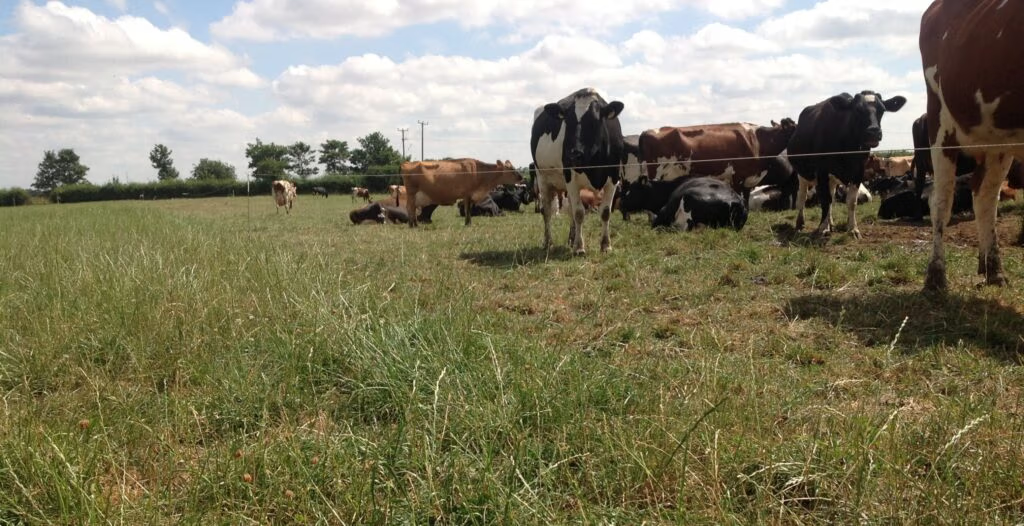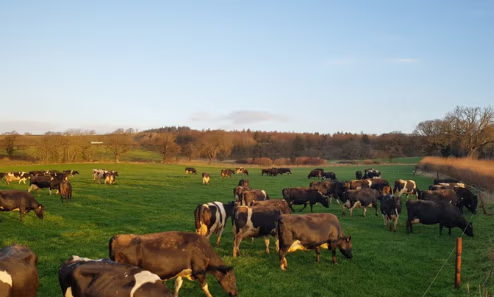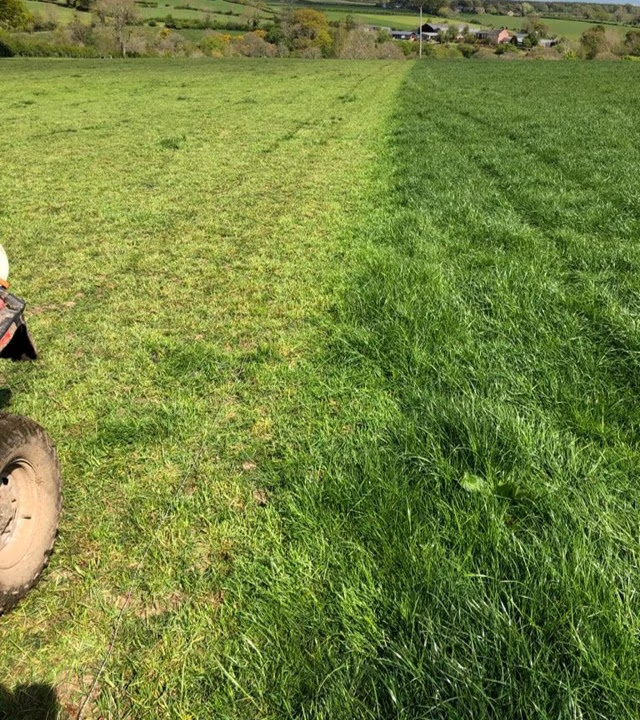

Pasture conditions continue to vary across the regions, with differences in both grass growth and residuals. In some areas, farmers have moved away from target residuals for periods to maximise grass intake, while firm ground conditions have provided an opportunity to keep autumn-calving cows grazing for longer.
Reproductive performance has also been a talking point. Higher-than-normal empty rates have been reported in spring-calving herds around the country, averaging around 12-15%. Results from the first three weeks of breeding have generally been positive, but performance in the second three weeks has been poorer. The period coincided with the heatwave, which may have had an impact, while possible bluetongue exposure is another factor being considered.
Following rain at the beginning of September, some herds also experienced a drop in body condition score as grass dry matter changed and feed allocations adjusted. Encouragingly, these changes have generally remained within manageable ranges.
Silage making continued through September, helping to rebuild stocks ahead of winter. Most farmers are now feeling more comfortable that they have sufficient silage available to carry their herds through the winter period.
Looking ahead: focus areas for the coming month
Maintain target residuals
As farms move towards closing, aim to maintain residuals around 1,500 kg DM/ha. Autumn and spring are important periods for perennial ryegrass tillering, and achieving target residuals allows more light into the base of the sward, helping stimulate new tiller growth.
Keep a close eye on body condition
Continue monitoring body condition score, particularly for cows approaching breeding or drying off. Keeping cows within their target condition range will help ensure they are well positioned for the next stage of the production cycle.
Monitor grass growth and average farm cover
Autumn grass growth has been stronger than historical levels in some areas. Keep monitoring growth rates and average farm cover, as closing covers may need to be adjusted to avoid carrying too much pasture forward and compromising quality heading into summer.
Test silage before balancing rations
With winter feed stocks now looking healthier, consider getting silage analysed so its feed value is understood and rations can be balanced accordingly.
Manage effluent from late-made silage
Late-cut silage is likely to have dry matter levels in the lower 20% Reichweite, so ensure appropriate effluent capture and management systems are in place.