Skip to content

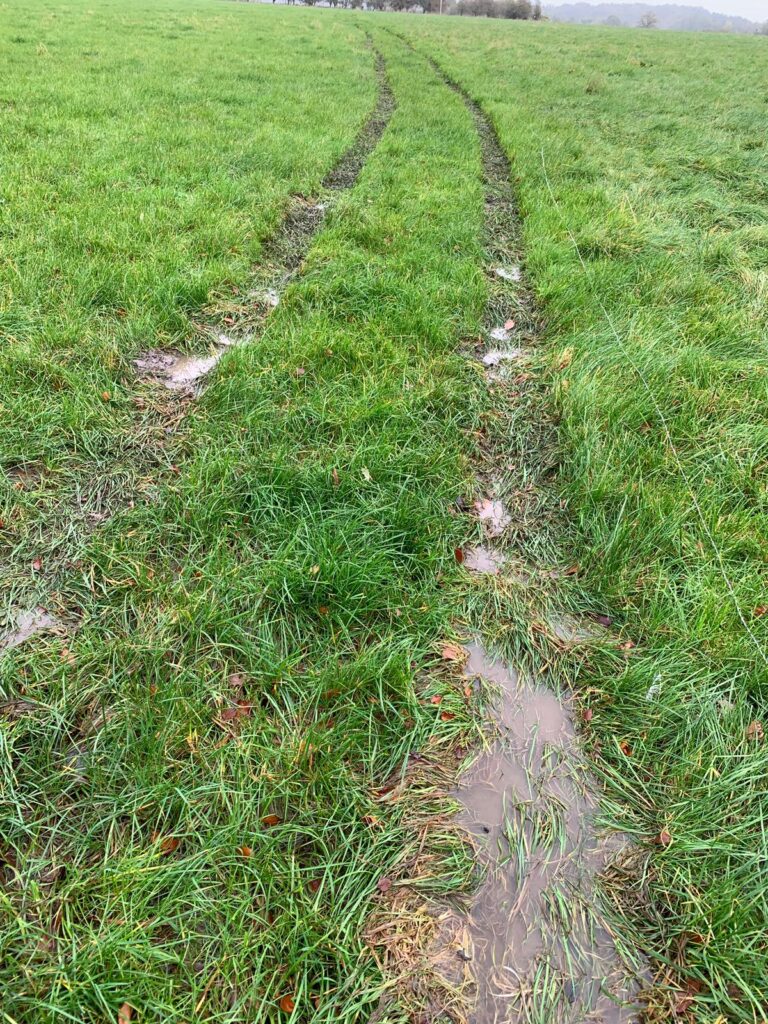
Despite early concerns, grass quality and soil conditions have held up better than expected following recent snowfall, particularly in southern areas.
However, continued wet weather forecast could yet impact ground conditions. Overall cow condition remains good, although some spring-calving herds are entering calving with lighter cows than ideal. Feed shortages continue to be reported, with many farmers focused on sourcing feed for dry cows and those in early lactation. Meanwhile, the falling milk price remains a dominant topic of discussion across the sector.
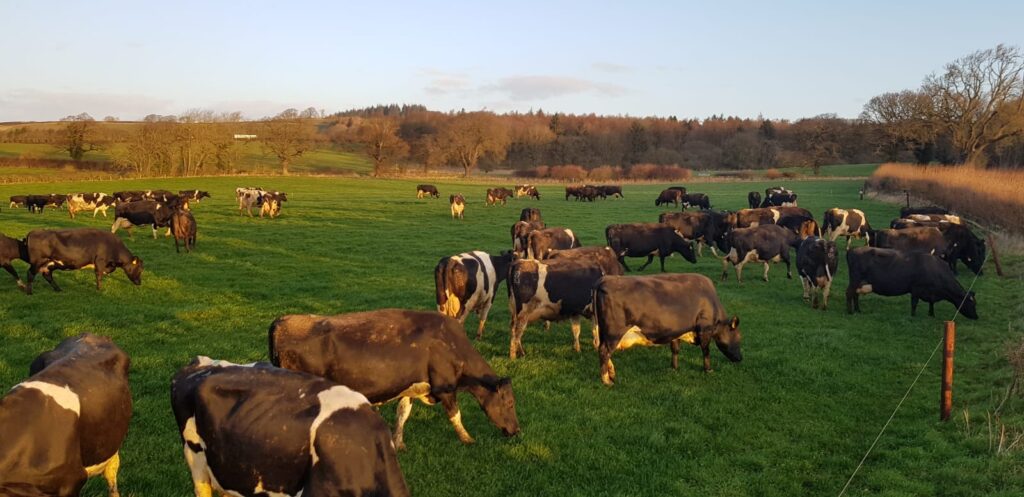
- Targeting graze‑out residuals of around 1,500 kg DM at turnout will help protect grass quality and support milk production from pasture, while also reducing reliance on concentrates.
- Where higher pasture covers have been carried through winter, an earlier turnout should be considered. Grazing these paddocks early—despite potentially slower regrowth—will help reset covers and ensure they return to target grazing heights in time for the second rotation.
- Review the body condition scores of spring‑calving cows, particularly where lighter cows are entering calving.
- With supplement stocks tight and milk prices under pressure, farmers should consider what contingency plans are in place if another dry summer or a poor silage season occurs.
- To prepare for a lower milk price, key focus areas include:
o Reviewing stocking levels and the extent to which cows are being supported by purchased feed.
o Assessing cow performance, including whether lower‑producing cows are covering their costs.
o Preparing detailed budgets and cashflow forecasts to identify and manage potential pinch points early.
o Engaging with suppliers to explore options for spreading payments.
o Shopping around to secure the most competitive input prices.
o Focusing on growing only the grass required, as applying additional fertiliser to produce surplus grass for silage can add unnecessary cost if that silage is not ultimately needed