Skip to content

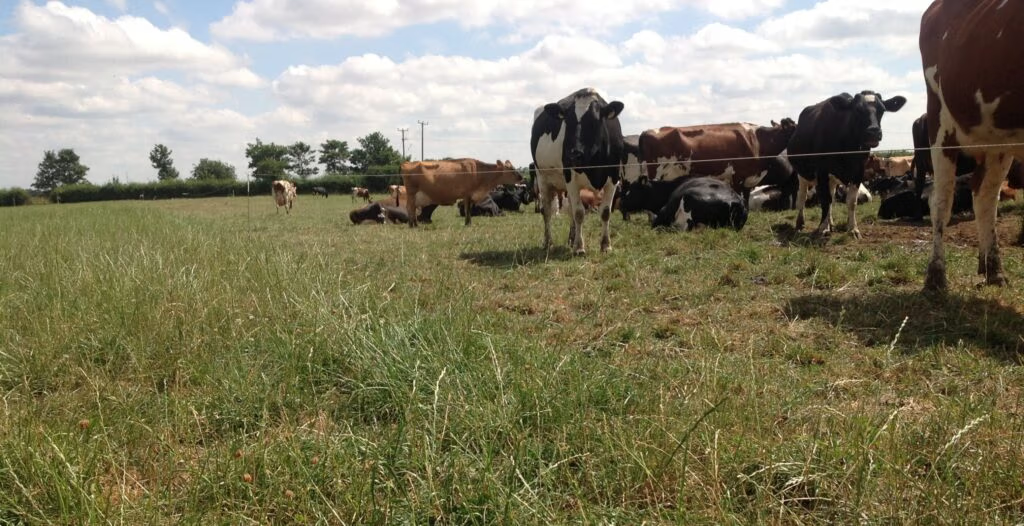
While parts of northern England and Scotland have received some rainfall, large areas elsewhere have seen very little meaningful rain, creating increasing pressure on pasture growth, feed supplies, and herd management decisions.
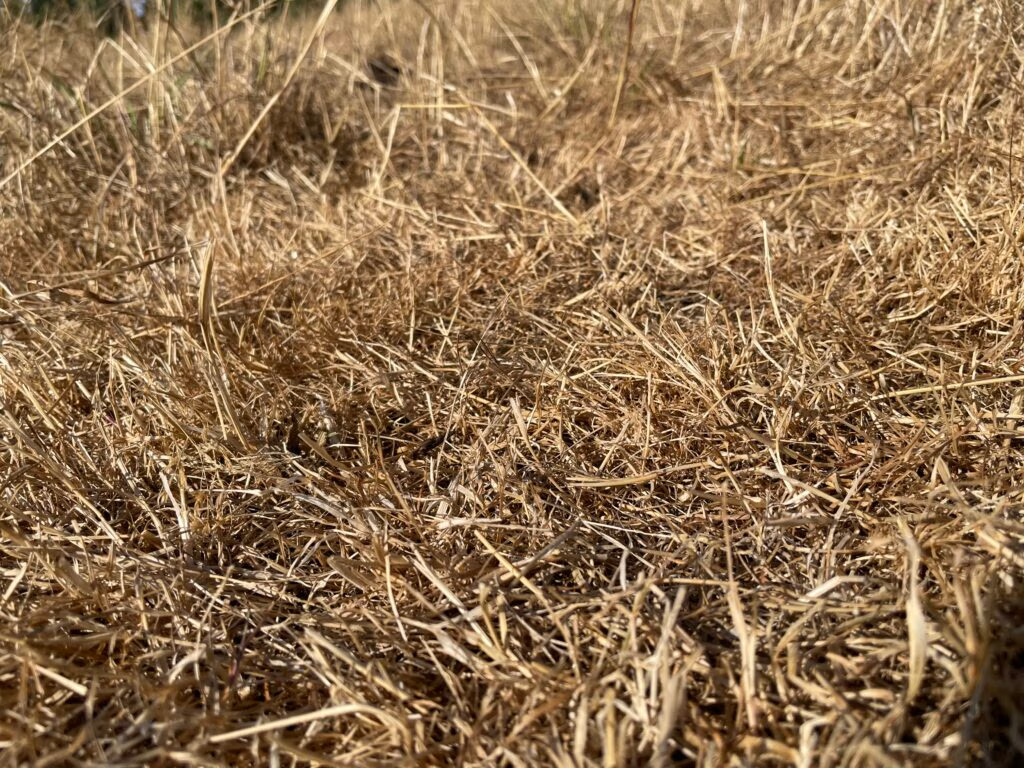
According to LIC UK’s Pasture to Profit consultants, average farm covers are currently sitting around 1,800kg DM/ha on many farms, well below where farmers would typically like to be heading into autumn. Combined with reduced summer feed availability, some autumn-calving herds are also falling short of body condition score targets ahead of calving and mating.
Adding to the challenge, there will be questions around whether winter forage reserves will be sufficient if current conditions continue.
Autumn Recovery Will Take Time
While rain will be welcomed wherever it falls, farmers should be realistic about the recovery timeline.
Pasture specialists estimate that even after significant rainfall, it could take four to six weeks before average farm covers return to around 2,200kg DM/ha. This creates a narrow window for rebuilding pasture covers before the final grazing rotation begins.
The key question many farmers should now be asking is: if there is less grass available this autumn, what impact will that have on winter forage reserves?
Updating feed budgets and securing supplementary feed supplies early will be critical to reducing risk later in the season.
Don't Rely on Autumn Growth Alone
The warm soil temperatures created by this summer’s heat should help support grass growth through autumn, provided rainfall arrives. However, shorter days will ultimately limit the total amount of pasture that can be grown.
While growth rates may improve following rainfall, relying solely on autumn pasture growth to solve feed shortages could leave businesses vulnerable.
Careful feed planning and realistic budgeting remain essential.
Manage Grazing Carefully After Rain
Once rain arrives, pasture quality and utilisation will require close attention.
Consultants warn that paddocks affected by dry conditions may contain rejected areas caused by hoof damage, dead material, uneven regrowth or nutrient uptake by plants. Monitoring residuals and adjusting grazing allocations accordingly will help ensure cows consume the feed that has been budgeted for them.
Paddocks should also be assessed for any significant pasture loss. Where grass plants have died off during the drought period, over sowing or stitching in new seed may be necessary to restore pasture productivity.
Make Decisions Earlier
One of the key lessons from drought management is that important decisions need to be made earlier than usual.
LIC’s Pasture to Profit team recommends bringing management decisions forward by approximately two months, particularly when reviewing cow body condition and culling strategies.
For spring-calving herds, this may mean considering earlier drying off and making culling decisions sooner to reduce feed demand. For autumn-calving herds, additional concentrate feeding through the dry period and after calving may be needed to help maintain body condition and support reproductive performance ahead of mating.
Focus on What You Can Control
While rainfall remains outside any farmer’s control, proactive planning can help minimise the impact of ongoing dry conditions.
Review feed budgets regularly, assess forage inventories, monitor cow condition closely, and make timely management decisions. Farmers who act early are likely to be in a stronger position as they balance autumn pasture recovery with the need to protect winter feed supplies.
As conditions continue to evolve, LIC UK’s Pasture to Profit consultants encourage farmers to seek advice early and develop practical plans tailored to their individual farm systems.