Skip to content

On-Farm Update
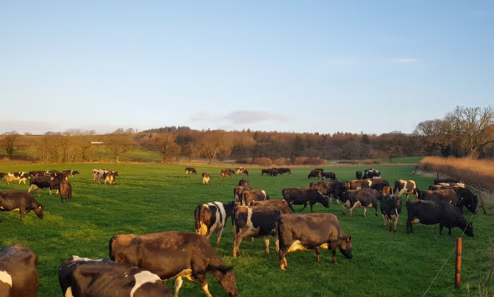
Unusually dry ground conditions and relatively mild temperatures are allowing many autumn-calving herds to continue grazing later than normal. Grass growth also remains relatively strong for the time of year, supported by higher soil temperatures.
Some autumn-calving herds are now grazing during the day and being housed at night. This allows farmers to gradually reduce grass allocations before cows are fully housed for winter.
Winter forage supplies are generally adequate, although some farms have purchased additional forage or benefited from extra silage cuts during the autumn. Silage quality remains variable following the unusual growing season, with changes in milk production being reported when herds move between different cuts.
Body condition also requires close attention. Some herds have lost condition since September, potentially due to dietary changes and the high protein content of autumn grass.
Empty rates in spring-calving herds remain variable. Heat stress and bluetongue have been discussed as possible factors affecting conception during parts of the breeding period, although individual farm results will depend on a range of management, health and environmental factors.
Grass and Grazing Management
Farmers should continue measuring grass growth and average farm cover beyond the traditional end of the grazing season. This will provide a clearer picture of how much grass is available and growing, rather than relying solely on seasonal assumptions.
The summer drought demonstrated the value of maintaining average farm cover. Farms that carried slightly higher covers generally recovered more quickly once rainfall returned.
With milder winter conditions becoming more common, there may be opportunities for additional grazing during December or January, provided grass availability and ground conditions are suitable. Extending grazing can deliver worthwhile feed and housing savings, but decisions should be based on regular measurements and the conditions on each farm.
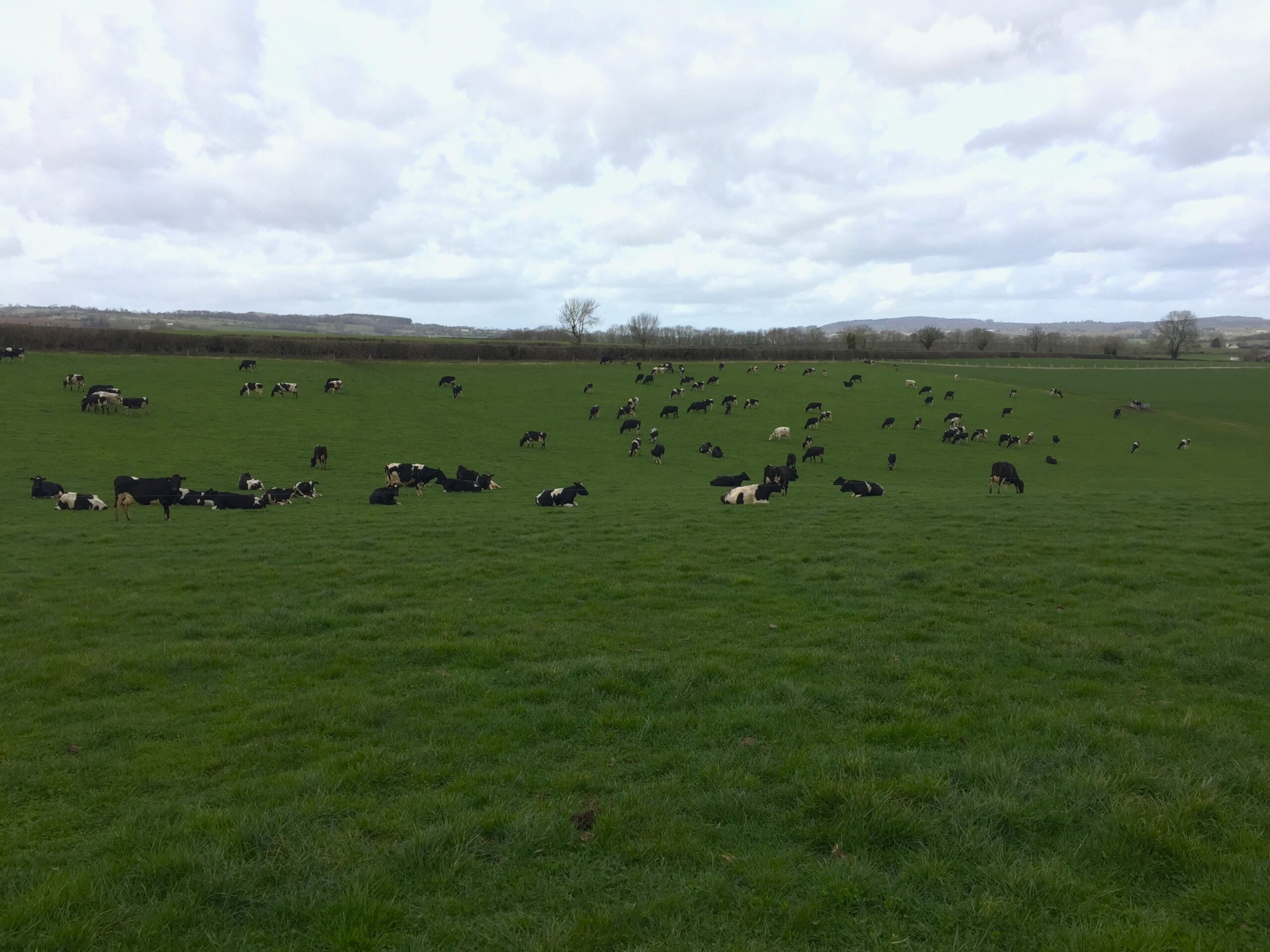
Changing weather patterns may also require farmers to reconsider traditional assumptions around autumn closing dates, winter grass growth and spring turnout.
Key considerations include:
- Continue measuring grass growth and average farm cover throughout winter.
- Assess grazing opportunities based on actual grass availability and soil conditions.
- Avoid damaging paddocks or compromising the spring grazing platform.
- Review autumn closing and spring turnout plans as conditions change.
- Compare the potential savings from extended grazing with the risks of reduced spring grass availability.
Fertility, Body Condition and Winter Management
Autumn-calving farms should closely monitor submission rates, non-return rates and general cow health so that potential fertility issues can be identified early. Pre-mating checks have generally not shown unusually high numbers of non-cycling cows.
An unusual cluster of uterine torsion cases has been recorded on one farm and requires further investigation. This should be treated as an isolated observation unless a broader pattern is identified.
Body condition scoring remains a priority for spring-calving herds as they move through the winter period. Milk recording, somatic cell count and production information should also be used to support dry-off planning and selective dry-cow treatment decisions.
Farmers should:
- Regularly assess body condition and identify cows requiring additional support.
- Monitor submission and non-return rates in autumn-calving herds.
- Use milk recording, cell-count and production data to inform dry-off decisions.
- Review forage quality when cows move between different silage cuts.
- Continue updating winter feed budgets where forage supplies are limited or uncertain.
- Seek veterinary advice where unusual health or fertility patterns are identified.
Planning for Changing Conditions
This season continues to demonstrate the importance of making management decisions from current farm information rather than fixed calendar dates. Regular grass measurement, body condition scoring, feed budgeting and herd-performance monitoring will help farmers respond to changing conditions while protecting winter resilience and spring performance.